What does a deep foundation support contractor do?
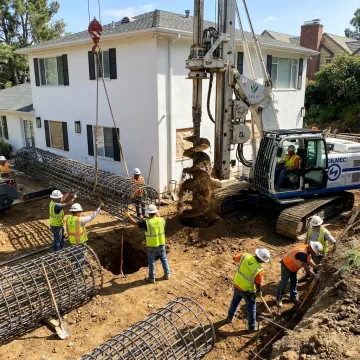
A deep foundation support contractor evaluates unstable or load-sensitive sites and installs structural systems that transfer building loads to stronger soil or rock below the surface. Common solutions include caissons, drilled piers, grade beams, retaining walls, drainage improvements, and erosion control. The goal is to reduce settlement risk, improve long-term stability, and support structures on challenging terrain.
When does a home need caissons or deep foundation support?
Deep foundation support may be needed when shallow footings cannot provide reliable bearing capacity. Warning signs include visible settlement, cracking walls, sloping floors, shifting retaining walls, recurring drainage issues, or planned construction on steep, filled, or moisture-sensitive ground. In Cranston, older properties and freeze-thaw cycles can make proper evaluation especially important before adding structural loads.
Are caissons good for Rhode Island soil and weather?
Caissons can be an effective solution when surface soils are inconsistent, sloped, wet, or unable to support the required load. For Rhode Island properties, the design must account for frost depth, groundwater, drainage patterns, and local soil composition. A qualified engineer or contractor typically confirms whether caissons, helical piles, or another deep support method is most appropriate.
How long does deep foundation work usually take?
Project timelines vary based on access, engineering requirements, drilling depth, soil conditions, inspections, and concrete curing time. A straightforward residential caisson or support project may take several days of field work after design and permitting are complete, while complex retaining wall or slope stabilization projects can take longer. Clear scheduling and site coordination help reduce delays.
Do deep foundation projects require permits or engineering?
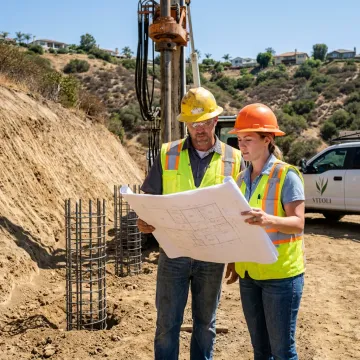
Most deep foundation projects require engineering review, structural calculations, and local permit approval before construction begins. Requirements may include geotechnical input, drainage plans, site drawings, inspections, and documentation showing how loads will be transferred safely. A permit-ready approach helps prevent costly redesigns, inspection failures, and delays once work begins on site.
What affects the cost of deep foundation support?
Cost is influenced by site access, drilling depth, number of caissons or piers, structural loads, engineering scope, soil conditions, drainage needs, and whether retaining walls or erosion control are included. Projects on tight lots, steep grades, or wet soils often require more preparation. A detailed assessment helps identify cost-saving opportunities before construction starts.
Can retaining walls be part of foundation support?
Yes. Retaining walls are often part of a complete foundation support strategy when soil pressure, grade changes, or erosion threaten structural stability. Proper wall design includes footing preparation, drainage, reinforcement, and backfill planning. When integrated with caissons or other deep supports, retaining walls can help manage lateral pressure and create safer, more usable space.
How do I schedule a foundation support assessment?
Start by gathering photos, property information, visible damage details, drainage concerns, and any prior engineering or inspection reports. A contractor can then review the site conditions, discuss access for equipment, and determine whether engineering, soil evaluation, caissons, retaining walls, or drainage improvements may be needed. Early communication helps prevent surprises and unnecessary expense.